If you’ve ever ordered a batch of “custom” T-shirts that came back with cracked prints, a fabric that felt like sandpaper, or colors that faded after two washes, you already know that not all printing is created equal. Dubai has no shortage of print shops, but the gap between a shirt that looks sharp for years and one that falls apart by summer usually comes down to a handful of decisions made before printing even starts.
At Jamali Uniform, we’ve spent years printing everything from restaurant staff shirts to school uniforms to event merch, and the questions people ask us are always some version of: what fabric should I use, which printing method actually holds up, and how do I make sure my design doesn’t look like an afterthought?
Why Bother with Custom T-Shirts at All?
A T-shirt is one of the cheapest, most effective pieces of walking advertising a business can own. Put your logo on your staff, hand shirts out at a trade show booth, or kit out a sports team, and you’re getting brand visibility that a billboard can’t match for the price. Beyond marketing, there’s a practical side too matching uniforms give a team a sense of identity, and for customer-facing businesses, they signal professionalism before a word is even spoken.
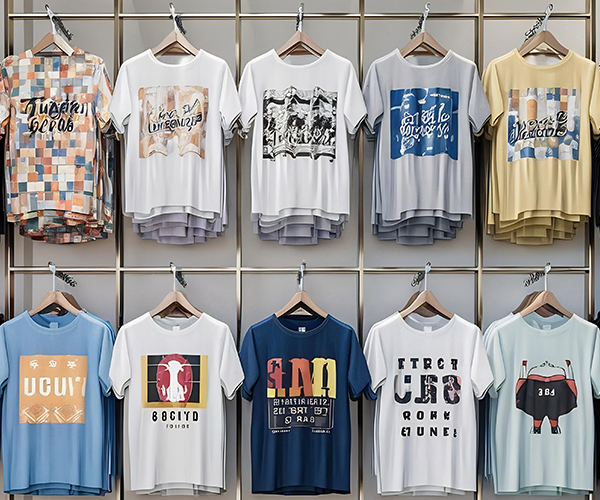
Picking The Right Fabric
This is where most quality problems start, and it’s the part people tend to rush.
- 100% cotton is still the default for good reason. It breathes well, which matters a lot in Dubai’s heat, and it takes screen printing beautifully. If comfort is the priority everyday wear, casual staff shirts cotton is hard to beat.
- Polyester trades some of that softness for performance: it resists fading, shrugs off wrinkles, and wicks moisture away from the body. That’s why you’ll see it dominate sportswear and outdoor promotional gear.
- Cotton-polyester blends split the difference. You get cotton’s comfort with polyester’s toughness, which makes blends a solid pick for corporate uniforms that need to survive daily wear and frequent washing.
- Performance fabrics are built specifically for movement and heat gym wear, field crews, event staff standing outside for hours. They dry fast and don’t cling, which matters more than people expect once they’re wearing a shirt for eight hours straight.
Choosing A Printing Method That Matches Your Order
There’s no single “best” printing technique it depends on your quantity, your design, and how long you need the print to last.
1. Screen printing is still the workhorse for bulk orders. It’s cost-effective at scale, the colors come out bold, and the print holds up over many wash cycles. If you’re ordering uniforms for a whole staff or merch for an event, this is usually the right call.
2. Direct-to-garment (DTG) printing is better suited to detailed, full-color artwork in smaller runs. There’s no minimum order size, so it works well if you just need a handful of shirts with a complex design or photo-quality image.
3. Heat transfer printing is the go-to for things like jersey numbers, names, or one-off personalized items. It’s fast and flexible but generally not as durable long-term as screen printing.
4. Embroidery isn’t printing at all, technically, but it’s worth mentioning for executive uniforms, hospitality staff, or anywhere a logo needs to look genuinely premium rather than printed on, stitched embroidery is the upgrade.
A Few Design Habits That Actually Matter
Good design isn’t about adding more it’s usually about restraint.
Keep it simple. A clean, recognizable logo beats a busy design almost every time, especially at a glance across a room or a trade show floor. Use vector files or high-resolution artwork; a blurry logo blown up on a shirt is one of the most common mistakes we see. Stick to your actual brand colors rather than whatever looks good on screen that day consistency across uniforms and marketing materials is what makes a brand recognizable. And think about placement before you print: a small front-chest logo reads very differently than a full-front design or a back print, so match the placement to how visible you want it to be.
Matching The Shirt to the Job
Before placing an order, it helps to actually sit down and answer a few questions: What’s the shirt for daily uniform, one-time event, gift? Who’s wearing it, and in what conditions? What’s your budget per unit, and how many do you need? And how many washes does it realistically need to survive? Getting honest answers to these up front saves a lot of second-guessing later.
Who Actually Uses Custom T-Shirts in Dubai
Pretty much every industry, in practice corporate offices, restaurants and cafés, retail staff, construction crews, schools, sports clubs, healthcare teams, event companies, and delivery businesses all rely on custom apparel in one form or another. It’s less about the industry and more about wanting a consistent, professional look wherever your people show up.
Why Quality Is Worth Paying For
A cheap print job might save money upfront, but a print that cracks after ten washes or a fabric that pills within a month cost more in the long run you’re just replacing it sooner. Better materials and proper printing techniques mean the color holds, the fabric lasts, and your team actually want to wear the shirt instead of tolerating it.
Why Work with Jamali Uniform
If you’re looking for custom T-shirt printing in Dubai that holds up past the first wash, get in touch with Jamali Uniform we’ll help you get the fabric, method, and design right from the start.
We handle the full range screen printing, DTG, embroidery across a range of fabric options, and we work with orders of any size, from a small batch to full corporate rollouts. If you’re not sure which fabric or printing method fits your needs, our team can walk you through it rather than just taking an order.