
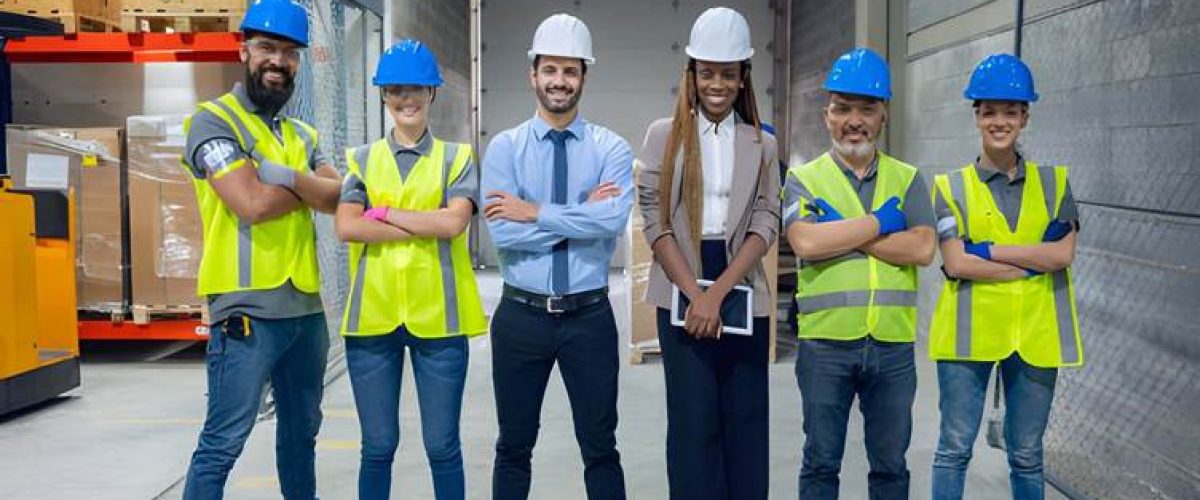
Dubai’s business scene keeps shaping how companies dress their workforce. Uniforms aren’t just standard-issue clothing anymore they’ve become part of brand identity, employee comfort, and workplace safety all at once.
Corporate offices, hotels, construction sites, logistics hubs, engineering firms and manufacturing plants are all rethinking what their teams wear. A good uniform now has to look sharp and hold up through a full shift.
At Jamali Uniforms, we’re seeing more businesses ask for the same thing: uniforms that balance appearance, comfort, durability, branding and everyday practicality. Here’s what’s actually driving uniform decisions across Dubai this year.
1. Lightweight, Breathable Fabrics
Comfort is still the top priority for most businesses.
Employees in Dubai often move between air-conditioned offices and hot outdoor conditions in the same day, so fabric choice matters more than it used to. Cotton blends, poly-cotton mixes, and moisture-wicking performance materials tend to strike the best balance between comfort and wear.
For staff who spend most of their day outside, the right fabric can make or break a long shift. Companies are now weighing airflow, moisture control and ease of maintenance right alongside how a uniform looks.
2. Smart Casual Is Taking Over
Formal uniforms are loosening up.
Suits, dress shirts and blazers still have their place for client-facing and executive roles, but a lot of businesses are shifting toward smart-casual: branded polos, modern button-downs, chinos, tailored trousers and lightweight jackets.
It’s a natural fit for sales teams, admin staff, real estate agencies, customer service departments and tech companies professional, but not stiff.
3. Branding Is Getting More Deliberate
A logo slapped on a plain shirt doesn’t cut it anymore. Companies are turning to embroidery, custom color palettes, contrasting trims, matched buttons, department tags and personalized name details.
At Jamali Uniforms, custom embroidery, printing and garment design help companies build a look that’s genuinely theirs something staff are recognizable in, whether they’re at the office, a branch, an exhibition, or a client site.
4. Industrial Workwear Is Getting More Technical
Industrial uniforms have to do a lot more than look tidy. Depending on the job and its risk profile, they need to support visibility, mobility, heat management, abrasion resistance or protection from specific hazards on site.
Cargo trousers with real pockets, tough work shirts, coveralls, reflective strips and reinforced seams are now standard parts of a serious industrial uniform program. For construction, engineering, logistics, maintenance, oil and gas, and facilities management, the right workwear starts with the job site, not the catalog.
5. Safety Wear and Corporate Identity Are Merging
Industrial clothing used to be all function, corporate clothing all presentation. That line is fading.
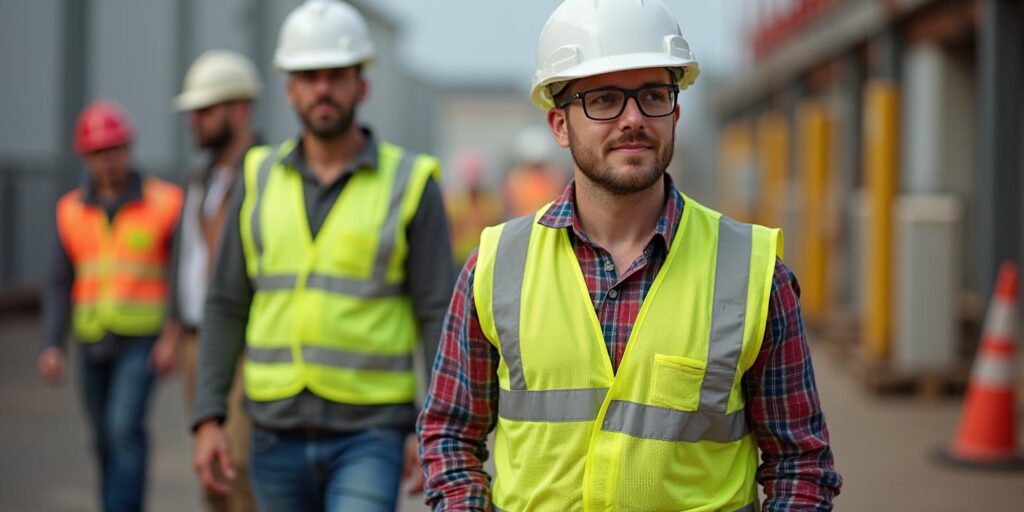
Companies want their technicians, engineers, supervisors and drivers to visibly belong to the same organization as the people in the office through matched colors, consistent logo placement, department-specific cuts and branded reflective gear. The result is a workforce that reads as one company, even when the job requirements differ wildly from role to role.
6. Sustainability Is Entering the Conversation
More businesses are looking at recycled polyester, organic cotton and other lower-impact fabrics as part of wider sustainability goals.
But sustainability isn’t just about the raw material it’s also about how long a uniform lasts. A garment that survives repeated washing and daily wear cuts down on replacement costs and waste. For companies ordering industrial uniforms in bulk, durability and responsible fabric choices tend to go hand in hand.
7. Fit and Inclusive Sizing Matter More Than Ever
Even the best fabric and branding can’t save a uniform that doesn’t fit. That’s pushing companies toward proper measurements, comfortable cuts and sizing that works across different body types.
A uniform program has to work for both male and female employees, accounting for movement, modesty and comfort not just a standard small-medium-large chart. At Industrial Uniforms in Dubai, individual measurements and custom sizing help businesses get a consistently professional look across the whole team.
8. Easy-Care, Durable Fabrics Save Money
Businesses are looking past the sticker price and thinking about total cost. A uniform that fades, shrinks or loses its shape after a few washes ends up costing more in the long run.
That’s why reinforced stitching, wrinkle resistance, color retention and easy-care fabrics matter so much, especially for industrial, hospitality, maintenance and logistics teams whose uniforms get washed constantly.
9. Role-Specific Uniform Collections
Fewer companies are handing everyone the exact same outfit. Instead, they’re building coordinated collections by department: management in formal shirts and trousers, supervisors in smart work shirts and cargo pants, field staff in tougher, safety-focused gear.
Different roles, different requirements but consistent colors and branding keep it feeling like one company.
Choosing the Right Uniform Partner in Dubai
A strong uniform program comes down to design, fabric, comfort, durability and branding working together. For industrial uniforms specifically, it’s worth working with a supplier who understands the difference between office wear, operational workwear, and safety-rated site clothing.
Jamali Uniforms works across corporate, hospitality, industrial, engineering, facilities management and healthcare sectors throughout the UAE, offering custom stitching, embroidery, DTF and sublimation printing, individual measurements and custom sampling everything under one roof.
Final Thoughts
Uniform trends in 2026 all point the same direction: clothing that works harder for both employees and the business. Comfort, performance fabrics, smart branding, sustainability, inclusive sizing, durability and safety are no longer nice-to-haves they’re the baseline.
Whether you’re refreshing a corporate wardrobe or sourcing industrial uniforms for a growing team, building around what your employees actually need will show up in comfort, consistency and how the whole workforce presents itself.
