
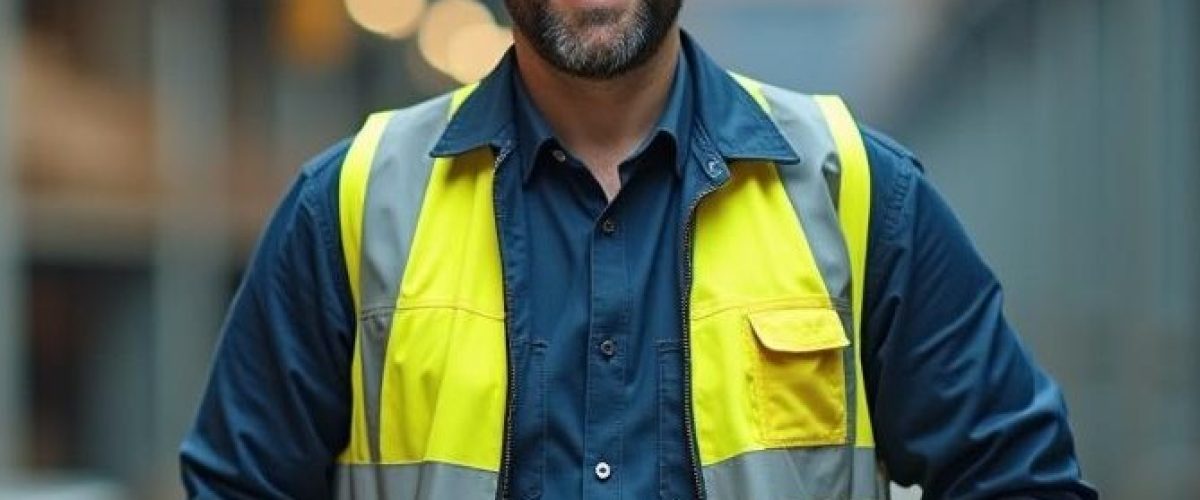
In industrial environments, uniforms aren’t about “looking nice.” They’re about showing up ready—ready for heat, movement, dust, tools, machinery, and unpredictable site conditions.
Whether your team works in construction, logistics, manufacturing, maintenance, or facility operations, the right industrial uniforms in Dubai should do three things at the same time:
1. Protect the worker (safety wear and practical design)
2. Support the worker (comfort, mobility, durability)
3. Represent the business (a consistent, professional appearance)
This checklist is designed to help procurement teams, site managers, and business owners in the UAE choose the right mix of labour uniforms UAE, workwear, and safety wear—without overspending or under-protecting.
What counts as “industrial uniforms” in Dubai?
Industrial uniforms are typically a combination of:
- Labour uniforms (daily work shirts, trousers, coveralls)
- Workwear (durable garments designed for movement, tools, and wear-and-tear)
- Safety wear (high-visibility pieces, protective fabrics, and job-specific requirements)
Depending on your industry, your industrial uniform pack might include:
- Industrial shirts
- Industrial trousers
- Coveralls or 2-piece overalls
- High-visibility safety jackets / vests
- Weather layers (rain jackets, winter layers)
- Job-role accessories (knee pads, reinforced pockets, reflective tape needs)
The key is choosing a “pack” that matches actual tasks—not buying the same uniform for every role.
Step 1: Start with a job-based risk checklist (don’t skip this)
Before choosing fabric or color, list the hazards your workers face. Common hazards include:
Visibility risk
- Working near vehicles, forklifts, roads, or low-light areas
- Night shifts or poorly lit warehouses
- Delivery operations and outdoor logistics
Heat and flame risk
- Welding, cutting, foundry work, metal fabrication
- Maintenance tasks involving high heat exposure
Electrical arc risk (specialized work)
- Electrical maintenance where arc exposure is a known risk
- Live working environments (requires strict safety planning)
Static / explosive environment risk
- Certain industrial zones where electrostatic discharge is a hazard
- Areas with ATEX-type considerations (where applicable)
Mechanical wear risk
- Continuous bending, lifting, climbing
- Abrasion from rough surfaces
- Heavy tool use and frequent laundering
Once hazards are clear, it’s much easier to choose the correct workwear features.
Step 2: Build an industrial uniform “issue pack” by role
A common mistake: ordering one uniform style for everyone. Instead, create packs.
Pack A: General labour / warehouse / logistics
- 2–3 industrial shirts
- 2 industrial trousers
- 1 high-visibility layer (jacket/vest depending on role)
- Optional: lightweight cap / neck protection for outdoor work
Pack B: Construction site team
- 2–3 industrial shirts (breathable, durable)
- 2 trousers (reinforced knees preferred)
- High-visibility jacket or vest (visibility depends on site needs)
- Optional: weather layer (wind/rain)
Pack C: Maintenance / technical team
- 2–3 durable shirts
- 2 trousers or coveralls (depending on tasks)
- Role-specific requirements (e.g., anti-static, FR, or additional visibility)
Pack D: Specialized high-risk roles (welding/electrical/heat zones)
This pack depends on standards and safety officer requirements. Don’t “guess” here—match garments to the risk profile and required performance.
1) Industrial shirts (daily comfort + identity)
Step 3: The core garment checklist (what to buy and why)
Good industrial shirts should:
- Allow easy movement in shoulders and arms
- Use breathable fabric suitable for UAE conditions
- Have durable stitching and reinforced stress points
- Include practical pockets (but not bulky)
Branding tip: Embroidered or printed company logos help team identification and professional appearance—especially on multi-contractor sites.
2) Industrial trousers (the real workhorse)
Trousers take the most abuse. Look for:
- Reinforced seams
- Strong fabric that resists tearing
- Comfortable waistband for long shifts
- Optional cargo pockets (useful, but don’t overload)
If workers kneel often, consider reinforced knee areas or compatibility with knee pads.
3) Coveralls / 2-piece overall sets (when tasks require full coverage)
Coveralls make sense when:
- Workers need full-body coverage from dust, grime, sparks, or splashes
- Teams work with oils, chemicals (job-dependent), or heavy machinery
- You want consistent protection with fewer “gaps” in clothing
Many companies mix: trousers + shirts for general roles, coveralls for specific zones or tasks.
4) High-visibility safety jackets / vests (visibility saves time—and lives)
Hi-vis is essential when teams work around vehicles, roads, or active equipment. When choosing high-visibility garments, focus on:
- Reflective tape quality and placement
- Comfort and breathability
- Whether a jacket (sleeves + coverage) is needed vs a vest (lighter)
A high-visibility piece should be treated like safety equipment—not a fashion item.
5) Weather layers (yes, even in the UAE)
Between winter mornings, coastal wind, and rain periods, some teams need:
- Lightweight windbreakers
- Rain-resistant outer layers
- Warmer layers for early shifts (especially outdoor logistics)
Layering matters because many sites start early, and workers may move between indoor and outdoor zones
Step 4: Fabric checklist for workwear in Dubai (durability + comfort)
In the UAE, industrial uniforms must handle:
- Heat
- Frequent washing
- Dust and friction
- Movement and strain
Common fabric directions:
- Cotton: comfortable and breathable (often preferred for heat)
- Poly-cotton blends: durable, easier care, holds shape
- Ripstop weaves: designed to resist tearing (great for tough environments)
Instead of picking fabric based on a supplier’s recommendation alone, ask for samples and test them:
- After washing
- During a full shift
- In high-movement tasks (bending, lifting)
Step 5: Safety wear and standards (what to look for on labels)
Industrial uniforms and safety wear can be purely “workwear,” or they can be specialized protective clothing. For specialized hazards, standards matter.
Here are widely used standards buyers often reference:
High-visibility clothing
- ISO 20471:2013 specifies requirements for high visibility clothing intended to signal the wearer’s presence in various light conditions.
Heat and flame protection
- ISO 11612:2015 covers performance requirements for protective clothing designed to protect against heat and/or flame.
Welding and allied processes
- ISO 11611:2024 covers protective clothing for use in welding and allied processes, including protection against molten metal spatter and brief contact with flame.
Electrical arc thermal hazards (arc flash)
- IEC 61482-2:2018 applies to protective clothing used where there’s risk of exposure to an electric arc hazard (thermal hazards).
Electrostatic properties (anti-static protective clothing)
- EN 1149-5 is commonly referenced for material/design requirements related to electrostatic dissipative protective clothing, especially relevant where static discharge is a concern.
Important note: Not every workplace needs certified protective clothing—but if your safety officer requires it, buy garments that match the required performance level and use-case. Always align uniform selection with your internal safety requirements and job hazard assessment.
Step 6: Fit, movement, and practical design (comfort is a safety feature)
Industrial uniforms must allow people to move safely. Look for:
- Enough room in shoulders and hips for lifting and climbing
- No tightness that restricts bending
- Strong closures (zips/buttons) that don’t fail mid-shift
- Smart pocket placement (accessible, but not risky near machinery)
- Reinforced seams in high-stress zones
Workers who are constantly adjusting uncomfortable clothing are distracted. In safety-critical environments, comfort directly supports attention and performance.
Step 7: Sizing and measurement (how to avoid the “wrong size pile”)
Ordering uniforms in bulk without a sizing plan creates waste. A smoother approach:
- Collect size data (or do simple fittings)
- Confirm fit on a small sample group
- Place bulk order with a buffer for replacements and new hires
- Track issues and adjust sizing rules for the next order
This is especially important in industrial teams where uniforms are worn daily and comfort matters.
Step 8: Choosing a workwear supplier in Dubai (industrial supplier checklist)
When you’re looking for a workwear supplier in Dubai or safety wear suppliers Dubai, use this checklist:
Capability checklist
- Can they supply the key categories you need (industrial shirts, trousers, coveralls, hi-vis jackets)?
- Can they provide branding (logo printing/embroidery) consistently?
Quality checklist
- Do they have structured production and quality control?
- Can they handle repeat orders without changing fabric shade, fit, or finishing?
Service checklist
- Do they support measurement help or fittings to reduce wrong sizes?
- Can they deliver across Dubai and other emirates reliably?
- Do they provide post-delivery feedback support to improve future orders?
Long-term checklist
- Can they support reorders for new hires?
- Do they help you standardize uniform packs by role?
Step 9: Care, maintenance, and replacement (protect your investment)
Industrial uniforms wear out faster than corporate uniforms because:
- Washing is more frequent
- Fabrics face abrasion, dust, sweat, and movement
- Reflective tapes and stitching take repeated stress
Set a simple maintenance process:
- Train workers to report damage early
- Replace garments that lose shape, tear, or lose reflective effectiveness
- Keep spare stock for urgent replacements
- Rotate uniforms so employees have enough sets per week
If safety wear is part of the uniform system, inspect it regularly. If it’s worn out, it’s no longer doing its job.
Quick “Industrial Uniforms Dubai” Checklist (copy/paste)
Use this before purchasing:
- Hazards identified (visibility / heat / welding / static / electrical / abrasion)
- Roles mapped (general labour vs specialized roles)
- Uniform packs defined by role
- Fabrics tested for comfort + durability in UAE conditions
- Hi-vis needs confirmed (vest vs jacket; day vs night work)
- Branding decided (logo placement; embroidery/printing)
- Sizing plan created (fittings or measurement support)
- Reorder buffer planned (new hires + replacements)
Care and inspection plan set (especially for safety wear)
